

If you have double glazed windows that look foggy or show water trapped between the panes, it can be worrying and frustrating. The good news is that this is a common problem, and with the right information you can decide on the best way to deal with it.
What condensation inside double glazing actually means
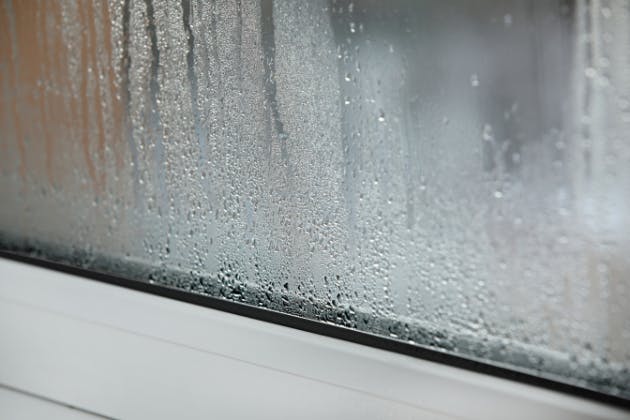
True condensation inside double glazing is moisture between the two panes of glass that you cannot wipe away from either side. If you run your finger along the glass and the misting stays put, it is inside the sealed unit.
Modern double glazed units are sealed at the edges, with a spacer bar and a drying material called desiccant inside. When the perimeter seal fails and the desiccant becomes saturated, outside air and moisture get in, leading to fogging, water droplets or a milky appearance between the panes.
This is different to surface condensation on the room side of the glass, which usually wipes off and is linked to humidity and ventilation in the property rather than a failed window unit.
Key signs your double glazing unit has failed
Several symptoms together usually confirm that the sealed unit is no longer performing as it should. Keep an eye out for:
Misting or fogging between the panes that comes and goes with the weather
Visible water droplets or streaks inside the cavity
Cold spots, a general draughty feel, or the room feeling harder to heat near that window
Corrosion or staining on the internal spacer bar around the edge of the glass
Any cracks or chips in the glass, especially near the edges
If you only see moisture on the room-facing surface, especially after showers, cooking or drying clothes, and it wipes away easily, your glazing seal may still be sound. In that case, addressing humidity and airflow is usually the priority.
Common causes of condensation between panes
Sealed units are designed to last for many years, but several factors can shorten their life. Age is one of the biggest; over time, the perimeter seal can simply deteriorate, particularly on windows exposed to strong sunlight or harsh weather.
Poor installation can also be a factor. If a unit is not properly packed, supported or sealed into the frame, tiny movements can strain the edges of the glass and the seals. This may show up as early fogging or a subtle draught around the sash.
Frame movement from building settlement or repeated opening and closing may stress the corners of the unit. Impact damage, even a knock that does not visibly crack the glass, can disturb the seal. Thermal stress from big temperature differences between inside and outside surfaces can have a similar effect over time.
Surface condensation vs internal condensation
It is important to separate surface condensation from a failed unit, as the solutions are different. Surface condensation on the room side is essentially warm, moist air meeting a cooler surface, so the moisture condenses out.
Improving ventilation is the first step for surface moisture. That can include using extractor fans when cooking or showering, opening trickle vents, slightly airing rooms after high-moisture activities, and avoiding drying clothes on radiators where possible.
If condensation is clearly inside the panes, ventilation will not cure it. In this case the seal is compromised and the unit is allowing damp air into the cavity. No amount of wiping or dehumidifying the room will remove moisture already trapped inside the glass unit.
DIY drilling and defogging
You may see suggestions online to drill into the glass or seal and "defog" the unit by venting or drying it out. While this can sometimes clear the appearance for a short while, it does not restore the original insulation performance of a sealed, gas-filled unit.
Drilling holes in the glass or through the seals can also damage the structural integrity of the unit, increase the risk of cracking, and is very likely to invalidate any remaining warranty. The unit may fog again once conditions are right, leaving you with the same problem.
For most homeowners and facilities managers, the safest and most reliable approach is to avoid invasive DIY repairs and instead plan for a proper replacement of the failed sealed unit.
What to expect from a glazier visit
When you call a professional glazier about condensation inside double glazing, the first step is usually a visual assessment. They will confirm whether the issue is surface condensation, a failed sealed unit, or something else such as frame damage or failed gaskets.
If the unit has failed, the glazier will typically measure the opening and the existing glass, including thickness, cavity size and any special coatings or gas filling. They may also check the spacer bar details to match existing units in the property.
Expect them to confirm the glass type, such as toughened or laminated safety glass, acoustic glass, or low-emissivity energy efficient glass. This is important for both compliance and performance, especially in doors, low-level windows and commercial settings.
In most cases, you can replace just the sealed glass unit within the existing frame, rather than the whole window. Full window replacement is normally only recommended if the frames are in poor condition, very inefficient, or you want to upgrade style or security at the same time.
Managing risks from failed double glazing
A failed double glazed unit will usually still keep the weather out, but it will not insulate as effectively as it should. That means more heat lost through the glass and potentially higher heating costs, especially across multiple affected windows.
Persistent damp around frames can also encourage mould growth on sealant, plaster and window boards. Over time this may affect indoor air quality and create more cleaning and maintenance work, particularly in bathrooms and kitchens.
If the glass is cracked or badly damaged, there are additional security and safety concerns. Weakened glass is more vulnerable to impact and break-in attempts, so arranging timely repair or replacement is sensible risk management.
Next steps and how Hunters Glass Ltd can help
If you are unsure whether your condensation issue is on the surface or inside the glazing, start by checking whether the moisture wipes off and by reviewing humidity hotspots such as kitchens and bathrooms. If it clearly sits between the panes, planning a professional assessment is usually the most cost-effective route in the long run.
Hunters Glass Ltd can advise on whether a simple sealed unit replacement will solve the problem, or if wider window repairs or upgrades might be worth considering. For clear, no-pressure guidance on misted or failed double glazing, call Hunters Glass Ltd on 0330 133 1655 or visit our domestic glazing repair services page to explore your options.