Blog
What to Do Right After a Window Breaks: Safety & Next Steps
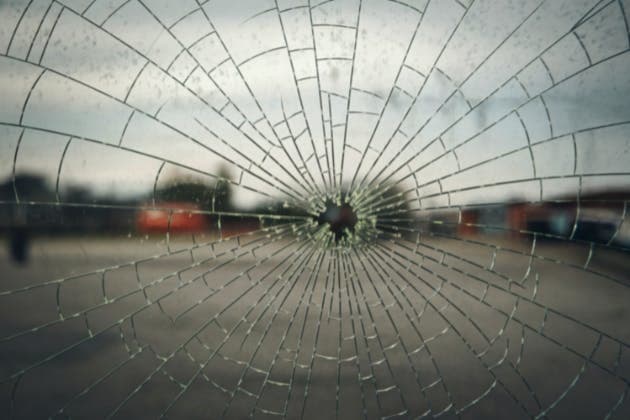
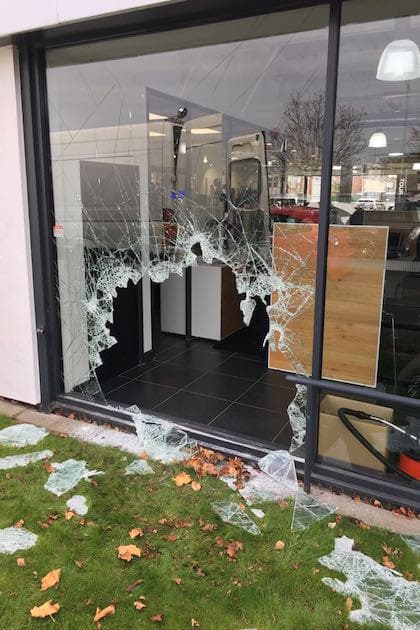
A broken window is always a shock, whether it is caused by an accident, a break in or storm damage. Taking calm, sensible steps in the first few minutes can keep everyone safe and help your glazier fix the problem more quickly.
Immediate safety checklist for broken glass
Your first priority is to protect people and pets from sharp glass and any unstable frame. Do not worry about cleaning up straight away; focus on making the area safe.
Keep children and pets well away from the damage
Put on sturdy shoes, and use thick gloves before going near any glass
Close doors to isolate the room if you can
Turn on lights or use a torch so you can clearly see broken pieces
If there are obvious loose shards on the floor, gently scoop the larger pieces into a strong box or bucket using a dustpan or piece of cardboard. Avoid touching edges with bare hands, and do not rush. Any fine splinters can be left for your glazier to clear if you are unsure.
Protecting your home from weather and security risks
Once people are safe, think about exposure to rain, wind and the risk of opportunistic entry. A short term cover is usually enough until a professional can attend.
Use thick plastic sheeting, a bin bag or cardboard on the inside of the window to limit draughts and rain. Tape the covering to the frame or surrounding wall, not to cracked glass, and do not press hard on loose sections of glass.
Move valuables, electronics and soft furnishings away from the broken window, especially if bad weather is expected. If the break leaves your property insecure at street level, stay in the property until it can be properly boarded, or ask a neighbour or friend to keep an eye on things.
What you should never do with a broken window
Some quick fixes can make a risky situation worse. It is better to leave a window as it is than to try something unsafe that could cause further breakage.
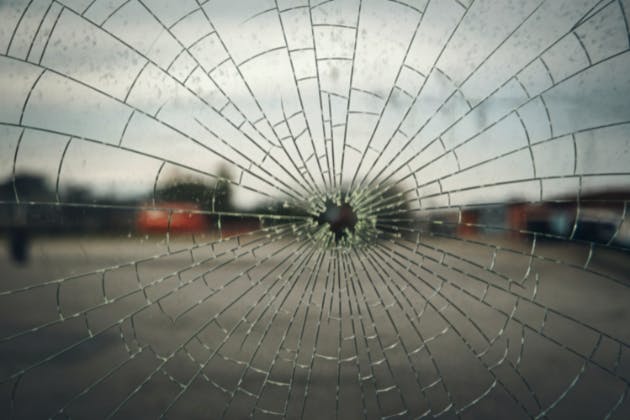
Do not use tape as a permanent fix. Taping cracked glass in a web pattern might look secure, but it can hold dangerous pieces in place that suddenly give way if disturbed. Tape should only be used to hold temporary coverings to the frame.
Do not remove large panes on your own. Pulling at big sections of glass, especially overhead or in doors, can cause the entire pane to shatter in your hands. Removal should be carried out by trained glaziers with the right tools and protective equipment.
Do not leave jagged edges exposed. If there are sharp points at child or adult head height, cover the frame edges with thick cardboard or folded towels fixed to the surrounding wall or frame. Avoid pushing against the glass itself while you do this.
Information to gather for a faster glazier response
Glaziers can help you more quickly if they have clear information from the outset. This lets them plan the right glass, boarding materials and access equipment.
Take a few clear photos from inside and, if safe, from outside. Step back to show the whole window and surrounding wall, then closer shots of the damage and frame. Avoid leaning out of upstairs windows or working from an unsafe height to get a picture.
Measure the visible glass area roughly in centimetres, noting width and height. If you are unsure, you can give a rough size such as "about the width of a standard door" to help your glazier estimate. Check whether the window is single or double glazed, what the frame is made of (wood, uPVC, aluminium or steel), and how easy it is to reach from outside.
Special situations: doors, shopfronts and upstairs windows
Broken glass in doors and patio doors
Door glass is used constantly, so treat any damage as high risk. Do not allow anyone to slam or lean on the door, and if possible, lock it and place a clear note on both sides not to use it.
Cover the lower section of the door with strong cardboard or plywood if you have it, fixed to the frame rather than the glass. Keep a clear zone on both sides of the doorway so nobody trips onto the remaining glass.
Shopfront glazing and commercial premises
A broken shopfront or office window is both a safety hazard and a security concern. Keep staff and customers away from the affected area and close off the immediate zone with chairs, barriers or signs.
Move stock, tills and IT equipment away from the break. If the opening is accessible from the street, arrange for Emergency Glass Repair, Emergency Glazing or Boarding Up so the premises can be secured as quickly as possible.
Upstairs and hard to reach windows
Upper floor windows and roof lights introduce extra risk due to height. Do not climb out of windows or balance on furniture to inspect or tape the opening.
Keep the room door closed to limit access, and only open or close the window if your glazier has advised that it is safe. Professionals will bring ladders, towers or other access equipment to deal with the damage correctly.
Next steps and calling Hunters Glass Ltd
A broken window is stressful, but taking simple, safe steps can protect people, reduce further damage and make your repair smoother. Keep the area clear, add a temporary cover without disturbing loose panes, and gather clear information for your glazier.
For calm, expert help with emergency glass repair, emergency glazing and boarding up, contact Hunters Glass Ltd on 0330 133 1655. Their team can advise you over the phone, arrange a rapid visit and secure your property so you can get back to normal as quickly as possible.
Other Articles